English
  Español

|
Payment Type |
L/C, T/T, D/P, Paypal |
|
Incoterm |
FOB, CFR, CIF, EXW, CIP, DDP |
|
Min. Order |
1 Piece/Pieces |
|
Transportation |
Ocean, Land, Air |
|
Model |
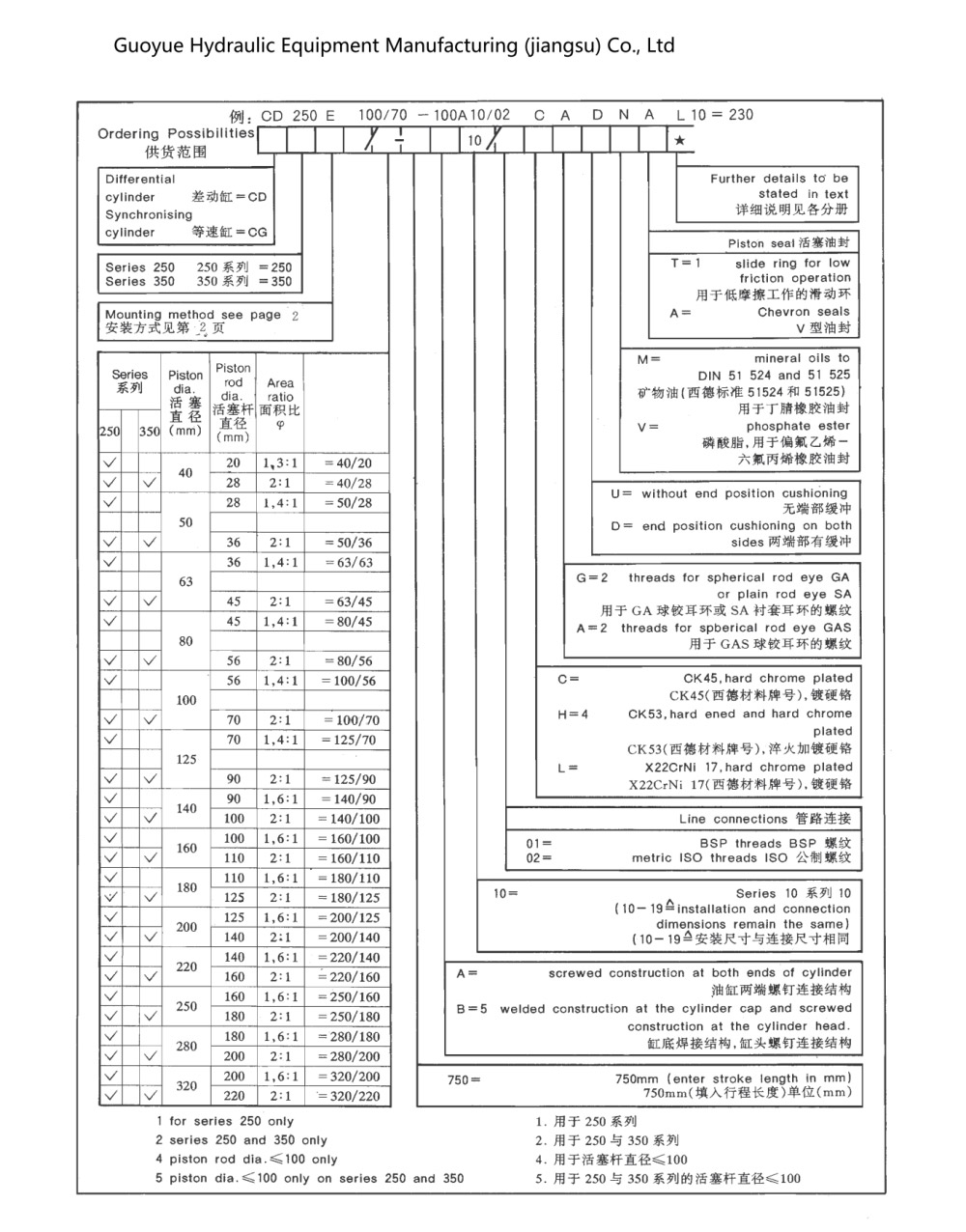
100 70-380 |

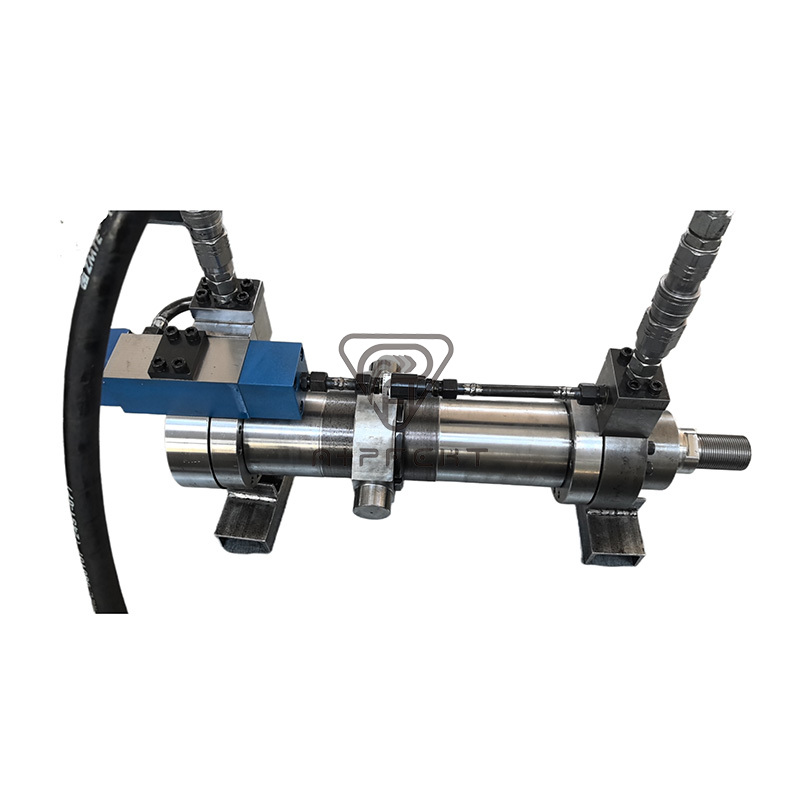
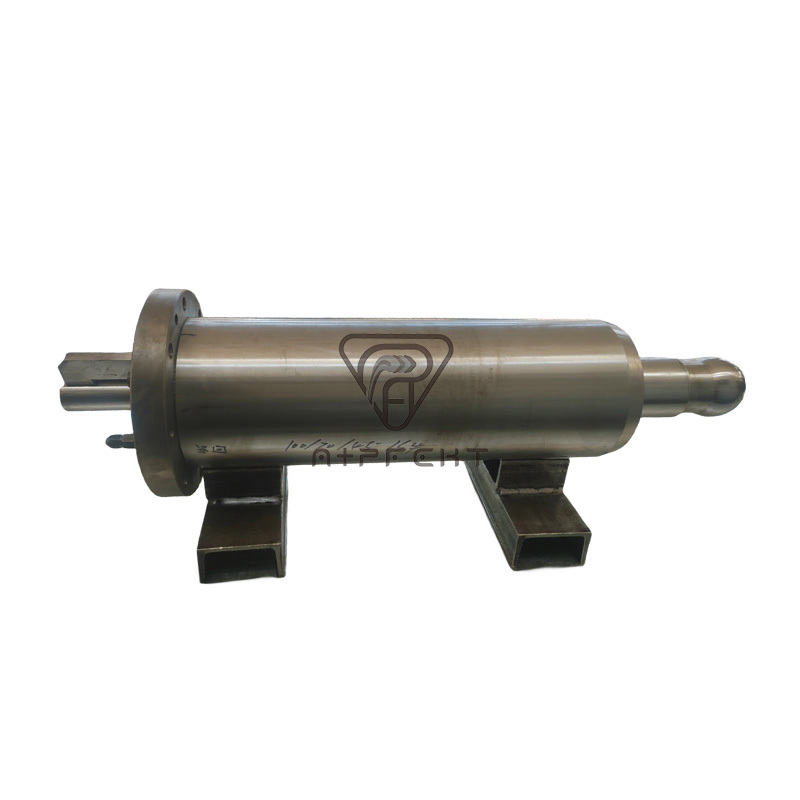
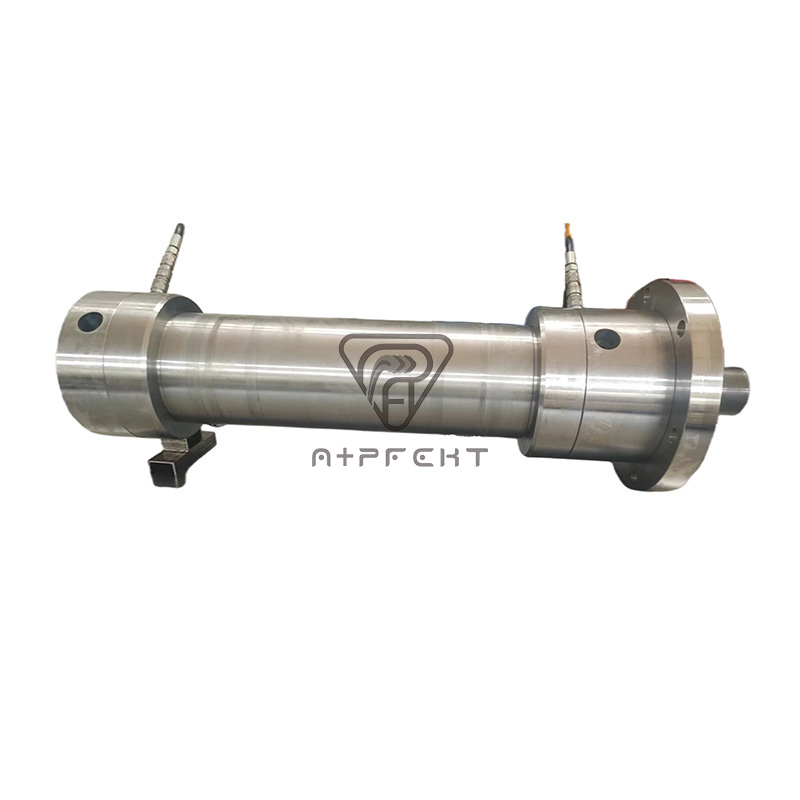
Hydraulic Cylinder
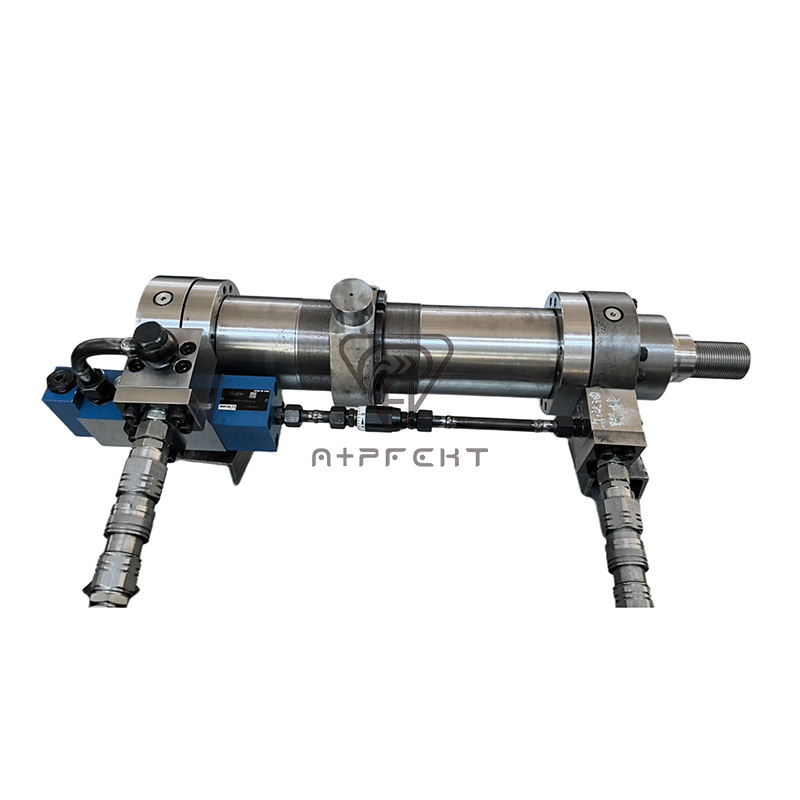
10 Ton Hydraulic Cylinder
Product Parameters
Product Attributes
|
Model No. |
100 70-380 |
|
Brand |
NOKHYDRAULIC |
|
Warranty Period |
1.5 Years |
|
Out-of-warranty Service |
Online Support |
|
Where To Provide Local Services (in Which Countries Are There Overseas Service Outlets) |
Indonesia |
|
Showroom Location (in Which Countries Are There Sample Rooms Overseas) |
None |
|
Place Of Origin |
China |
|
Service System |
Online Support |
|
Support Customization |
Oem, Odm |
Packaging & Delivery
|
Selling Units |
Piece/Pieces |
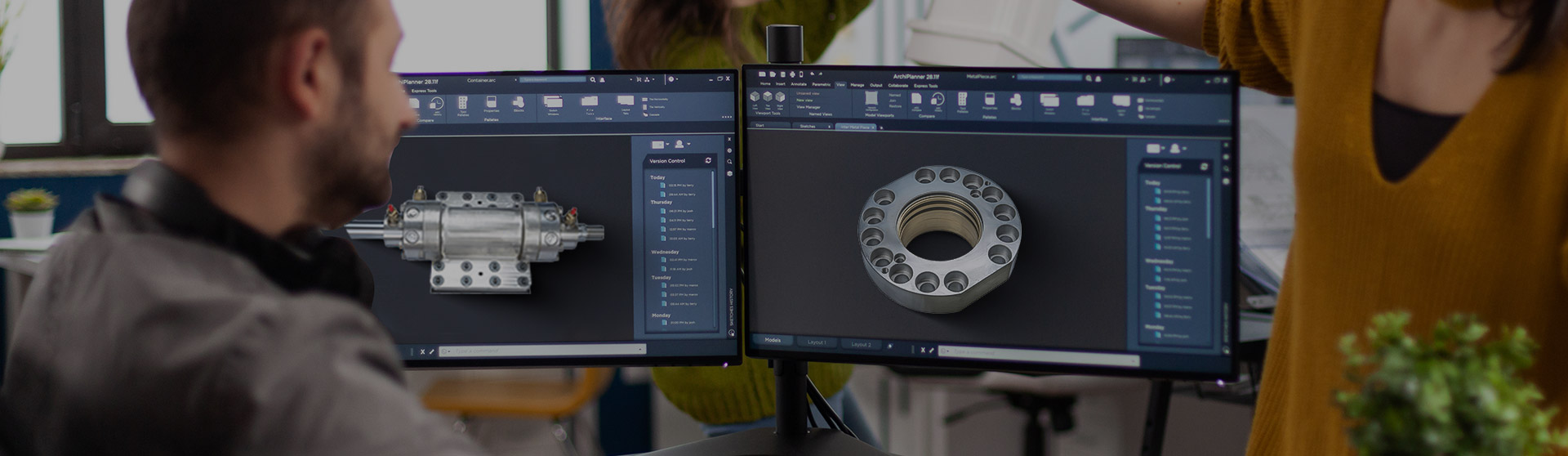
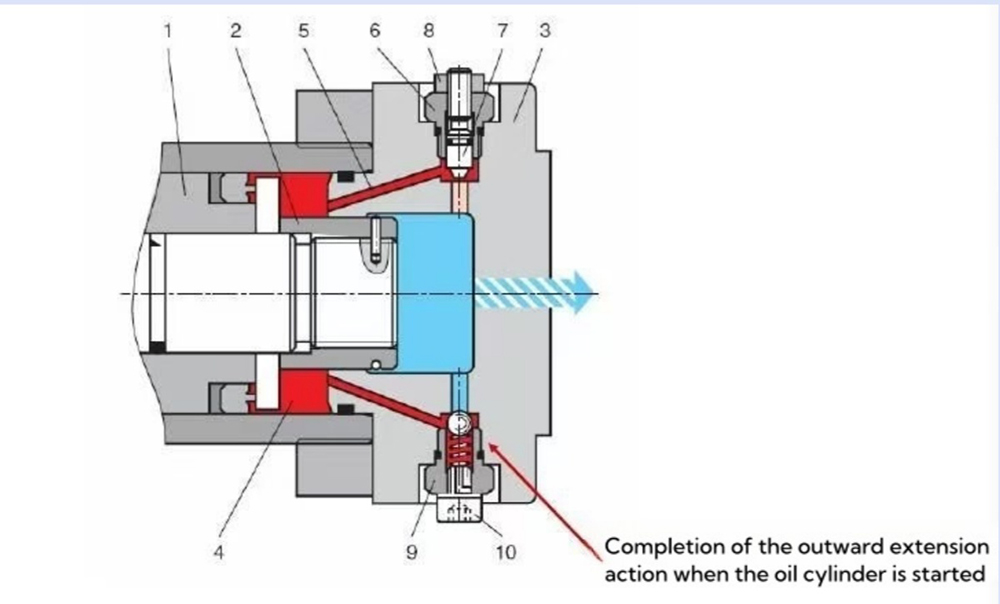
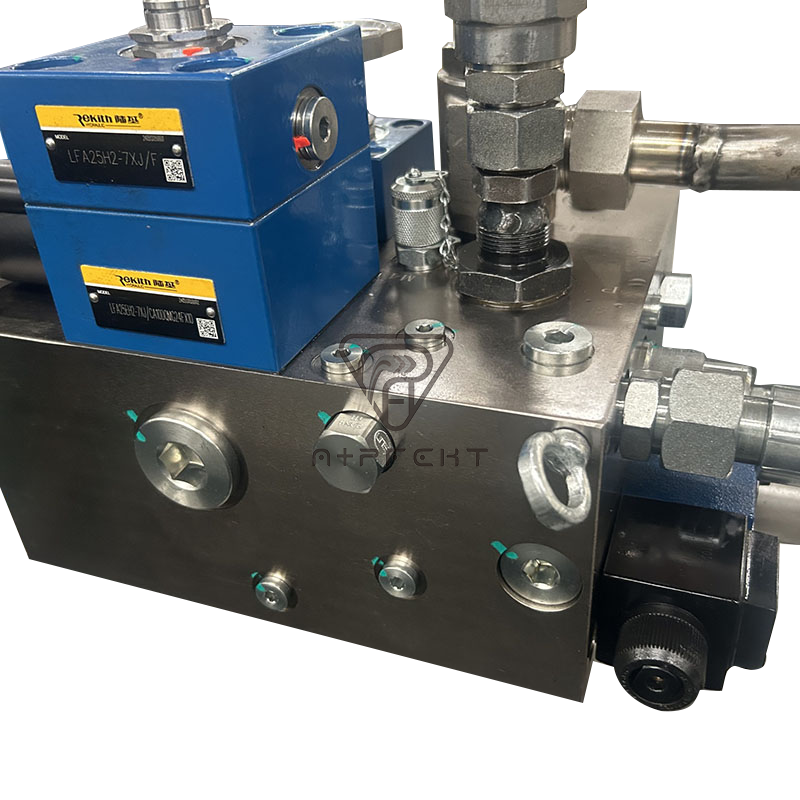
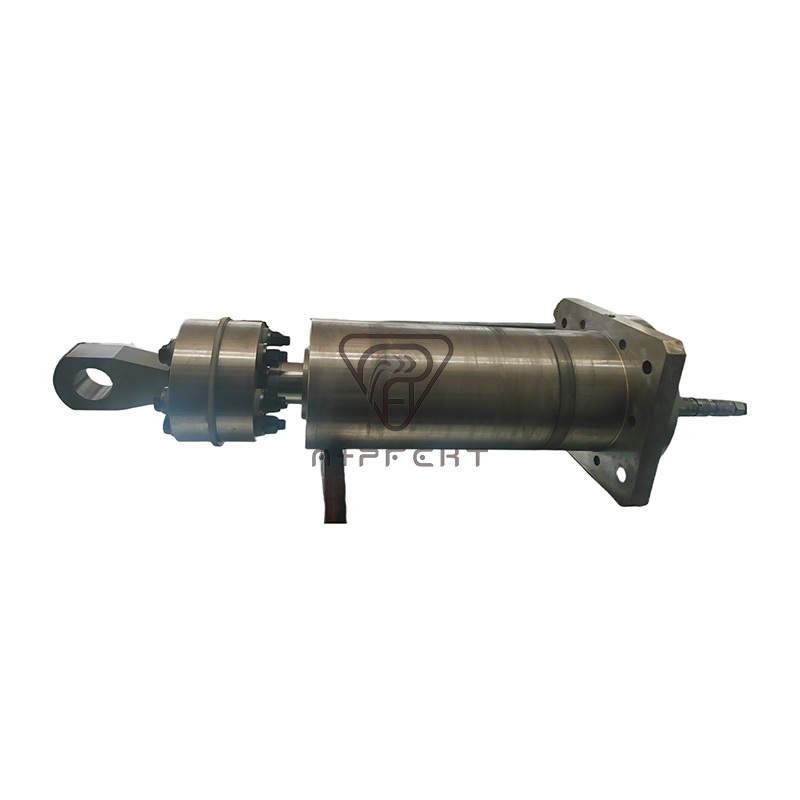
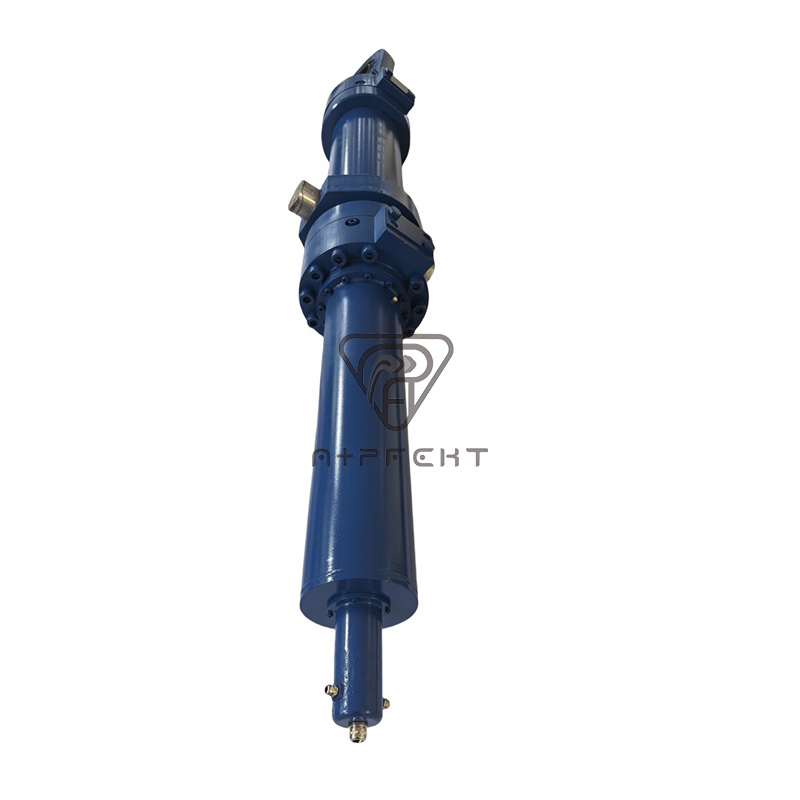
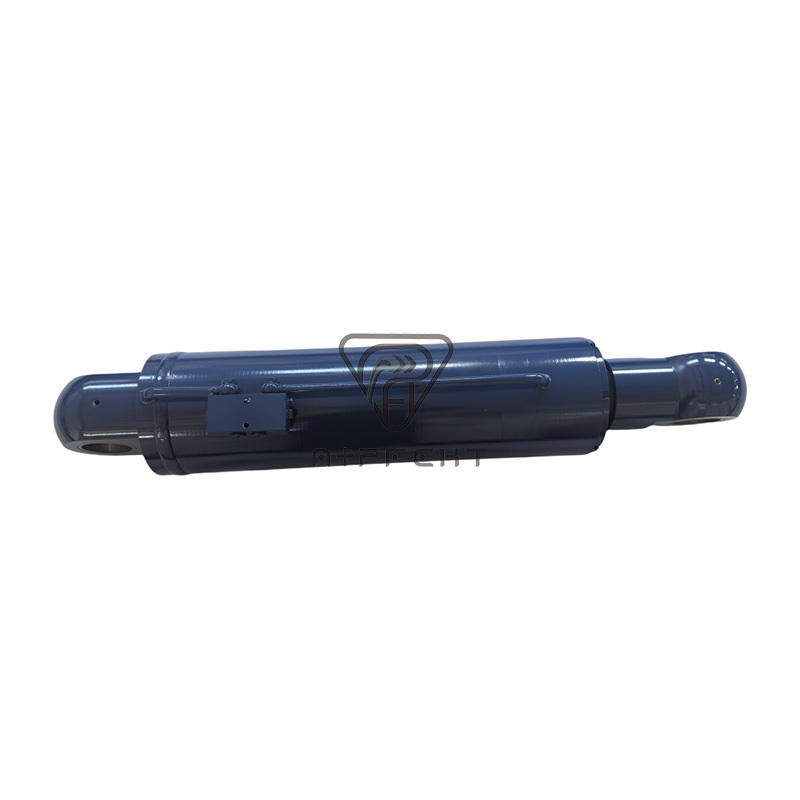
Hydraulic cylinders serve as the muscle behind modern industrial automation, delivering unmatched linear force in the most demanding environments. These rugged actuators generate precise pushing/pulling forces from 100kg to 5,000+ tons with positioning accuracy up to ±0.001mm in servo-controlled models. Their robust construction - featuring hardened steel tubes, chrome-plated rods, and multi-lip seals - withstands extreme conditions including Arctic cold (-60°C), desert heat (150°C+), and high-pressure washdowns (IP69K). The technologyx27s power density outperforms electromechanical alternatives 5:1, enabling compact solutions for space-constrained installations like aircraft landing gears and submarine hatches.
Critical applications span from micro-positioning stages in semiconductor manufacturing to mega-scale tunnel boring machines requiring 20,000-ton thrust. Automotive production lines utilize high-speed cylinder,s achieving 500+ cycles/minute for engine block machining, while offshore oil rigs depend on corrosion-resistant models with duplex stainless steel construction. Emerging applications include renewable energy - hydraulic cylinders precisely adjust 100-meter wind turbine blades against hurricane-force winds, and wave energy converters use seawater-lubricated designs for maintenance-free operation.
Advanced models now incorporate self-diagnosing capabilities with embedded strain gauges predicting seal failure months in advance, and graphene-coated components reducing friction by 40%. Energy-recovery cylinders convert motion into electricity during deceleration, while IoT-enabled smart cylinders transmit real-time performance data via 5G networks. These innovations cement hydraulic cylinders as indispensable components where brute strength, precision, and reliability converge - from Mars rover landing systems to micro-surgical robots requiring nanometer-level motion control.




Who is NOKHYDRAULIC?
NOK Hydraulic Co., Limited, as a technology-driven enterprise we focus on the research, design, and production of hydraulic components. We specialize in hydraulic systems, cylinders, and customized non-standard parts, while continuously improving our technical expertise in hydraulic cylinders by adopting advanced European and American technologies.
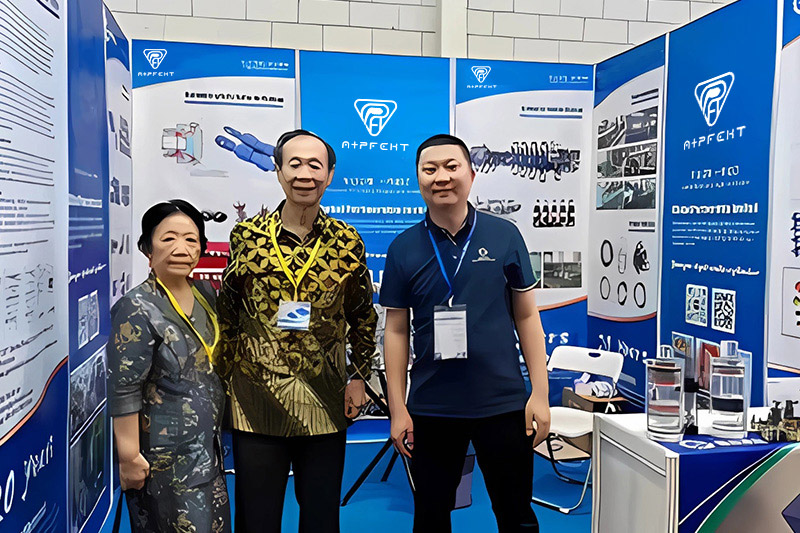
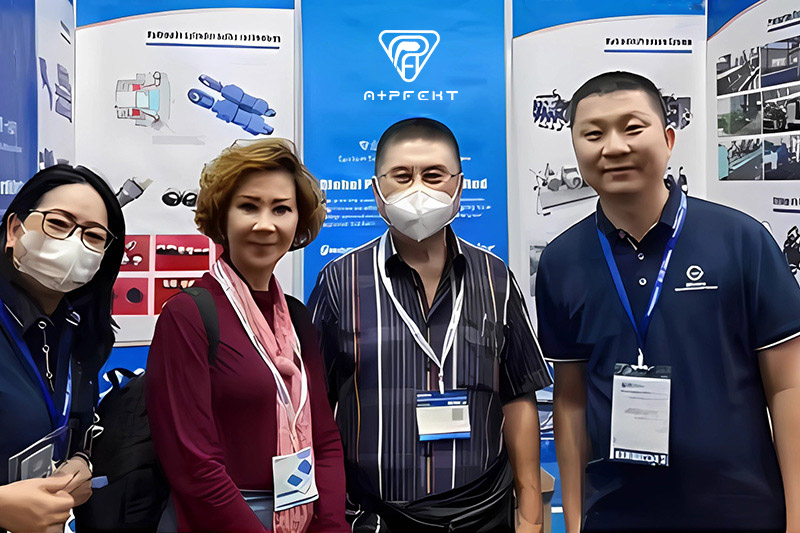
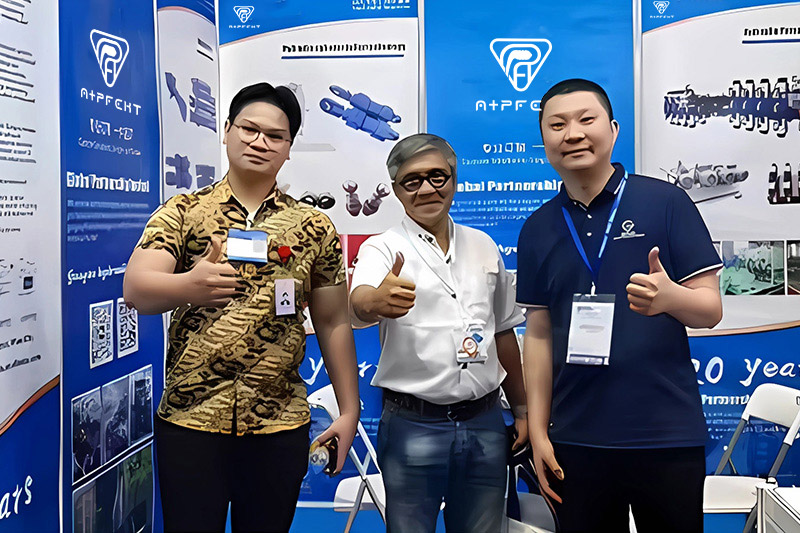
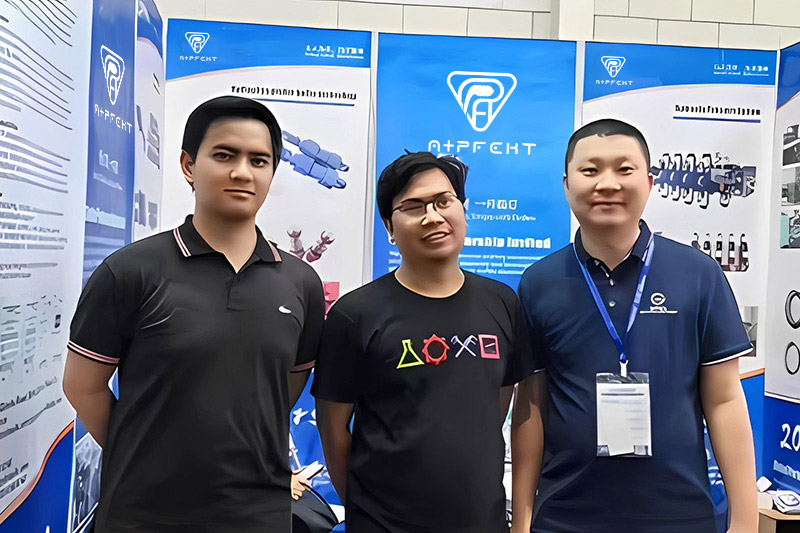
Company Moments
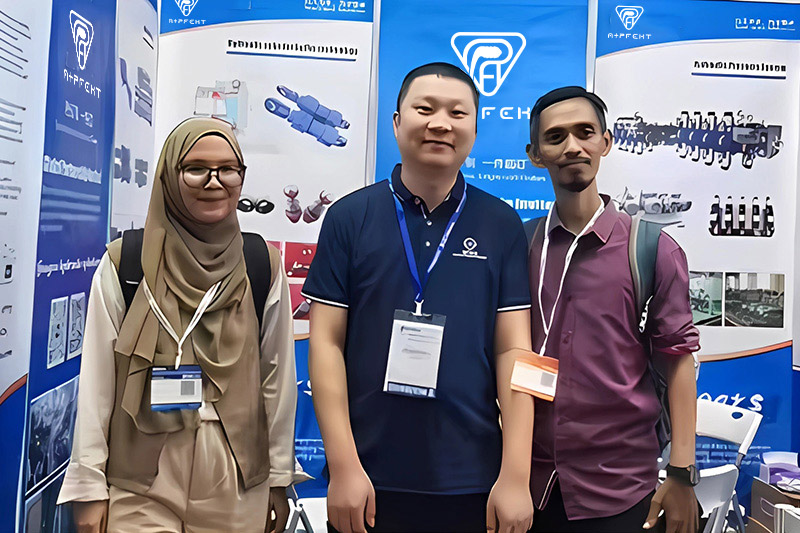
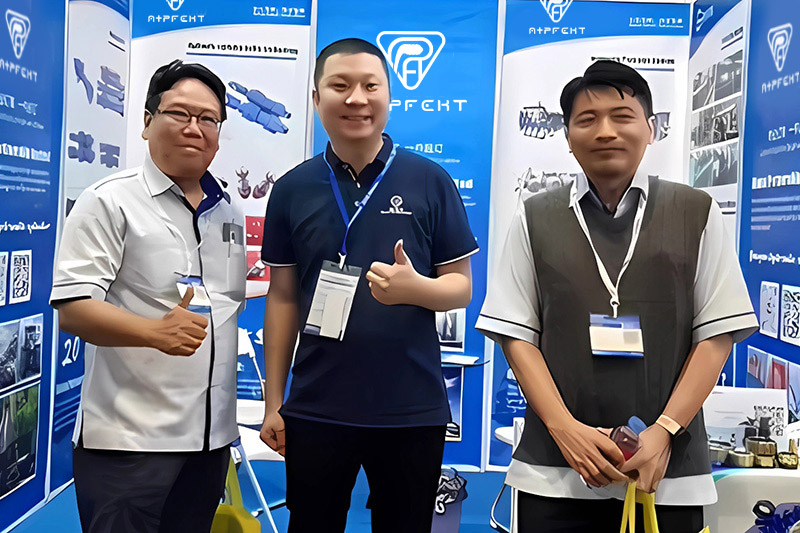
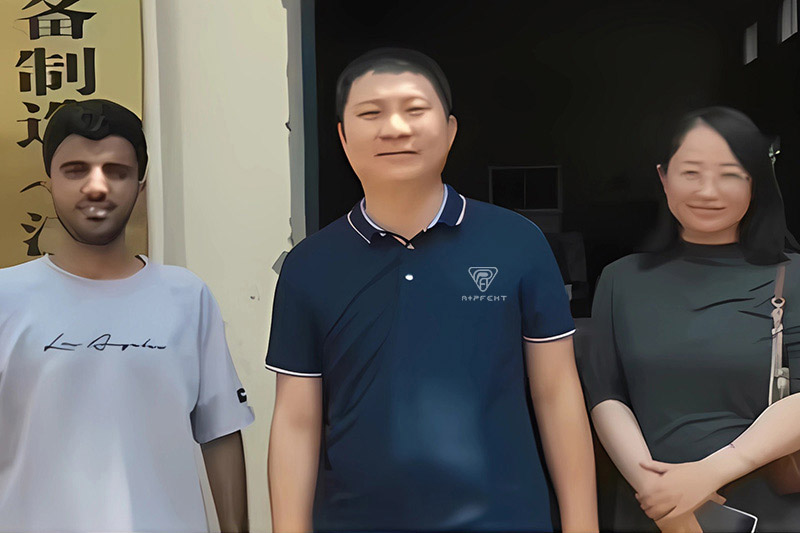
Beyond manufacturing, NOKHYDRAULIC values its people and culture. Here are some moments that reflect our teamwork, dedication, and commitment to excellence.


News Update
Follow news and information to stay informed about industry trends
Message Us Right Now!
- Contact
- Phone:
+86-13961666146, +86-15852701381
+86-13901516509, +86-17356630271
+55 11 98541-5572 - E-mail:[email protected]
[email protected]
[email protected]
[email protected]
[email protected] - ADD:
Room 806, 8/F Hang Bong Commercial Centre, 28 Shanghai Street, Yau Ma Tei, Kowloon, Hong Kong
- Products
- Hydraulic Cylinder
- Metallurgical Hydraulic Cylinder
- Single Acting Hydraulic Cylinder
- Double Acting Hydraulic Cylinder
- Telescopic Hydraulic Cylinder
- Locking Hydraulic Cylinder
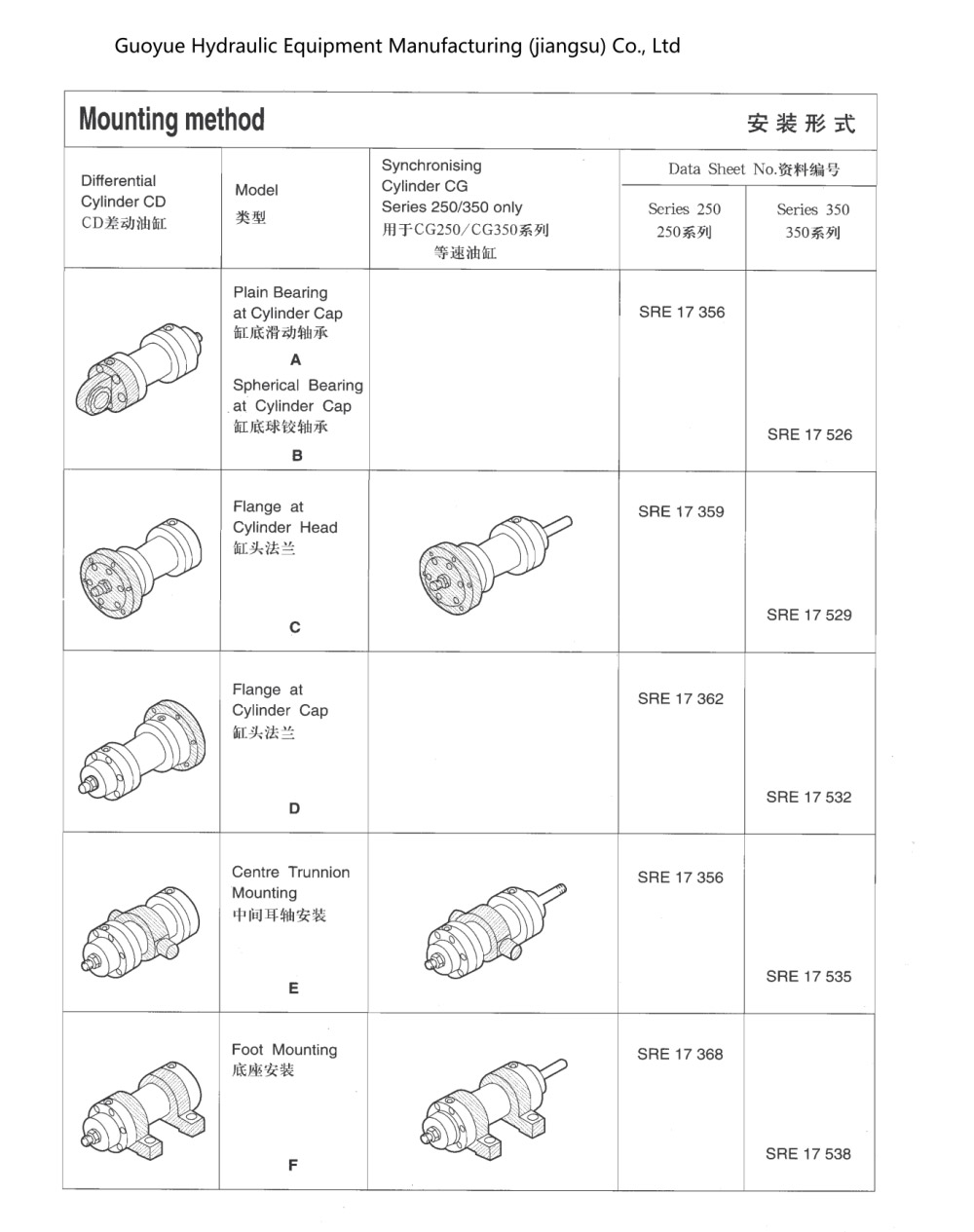
- Differential Cylinder
- Heavy Duty Hydraulic Cylinder
- Electric Hydraulic Cylinder
- Clamping Hydraulic Cylinder
- High Temperature Resistant Hydraulic Cylinder
- Rotating Hydraulic Cylinder
- Get Connected
-