English
  Español

|
Payment Type |
L/C,T/T,Paypal |
|
Incoterm |
FOB,CIF,EXW |
|
Min. Order |
1 Piece/Pieces |
|
Transportation |
Ocean,Land,Air |

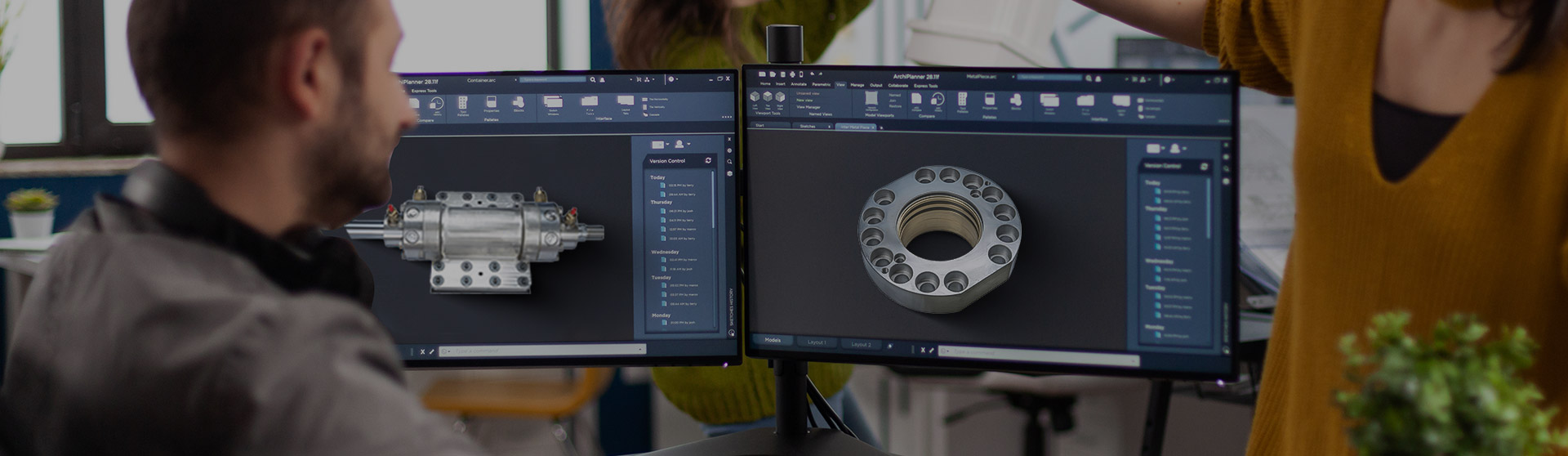
Hydraulic Cylinder
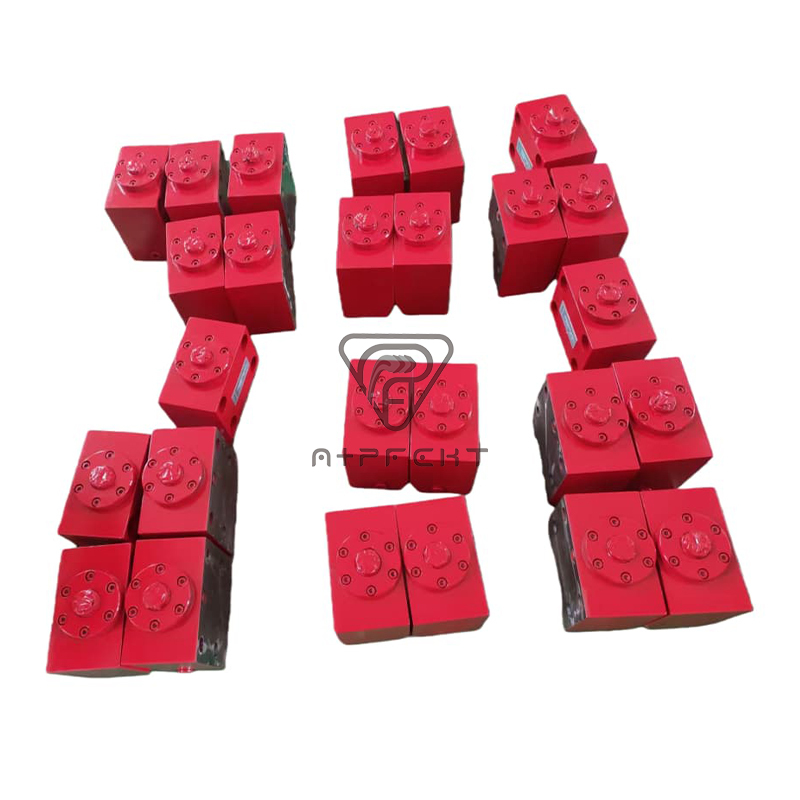
Custom Metallurgical Hydraulic Cylinders
Product Parameters
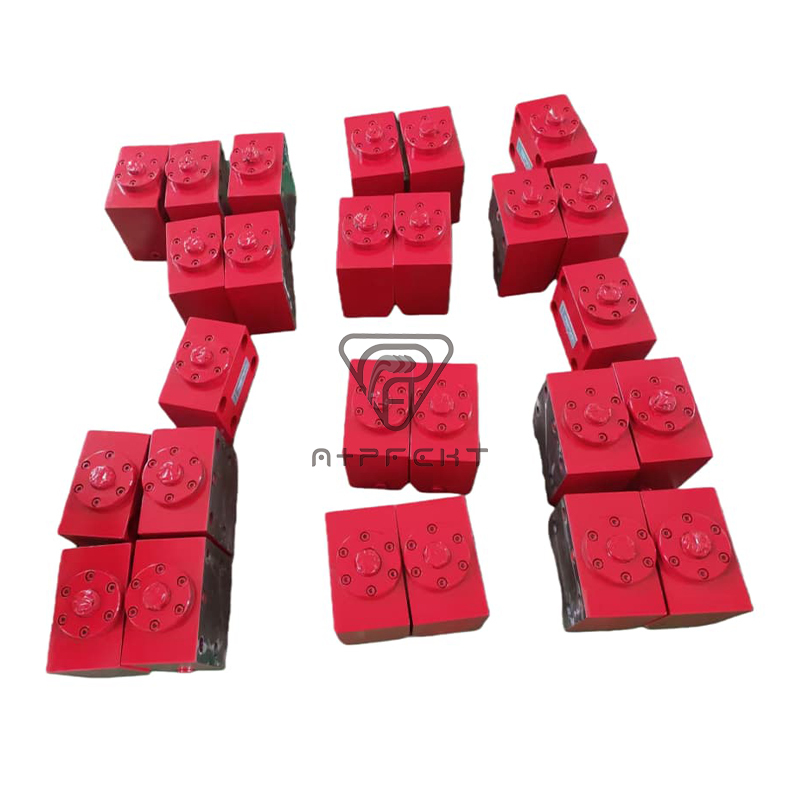
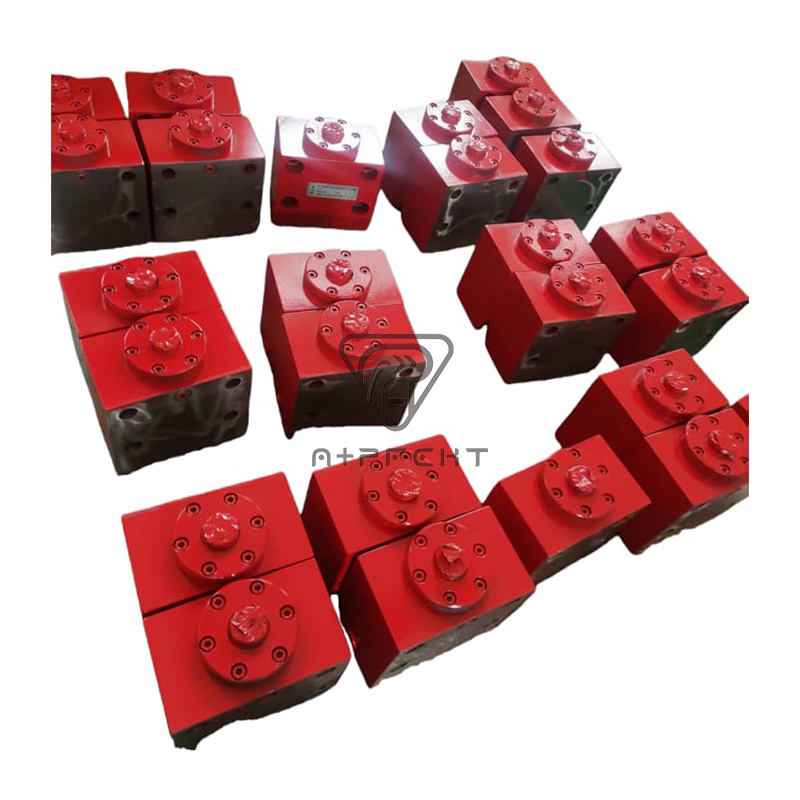
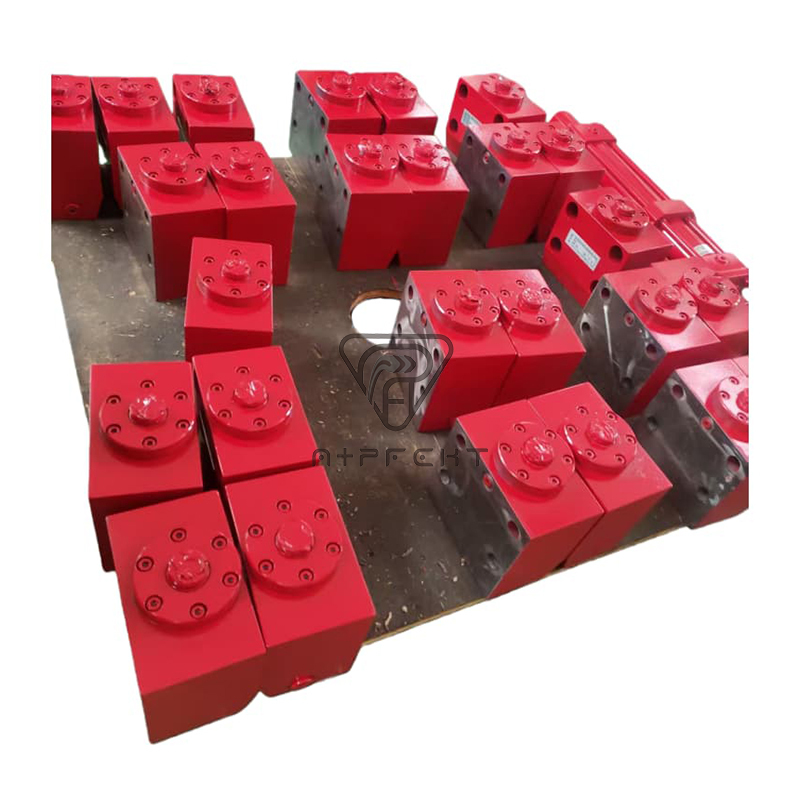
Product Attributes
|
Model No. |
63 36-85 |
|
Brand |
NOKHYDRAULIC |
|
Warranty Period |
1.5 Years |
|
Out-of-warranty Service |
Online Support |
|
Where To Provide Local Services (in Which Countries Are There Overseas Service Outlets) |
Indonesia |
|
Showroom Location (in Which Countries Are There Sample Rooms Overseas) |
None |
|
Place Of Origin |
China |
|
Service System |
Online Support, Video Technical Support |
|
Support Customization |
Oem, Odm |
Packaging & Delivery
|
Selling Units |
Piece/Pieces |
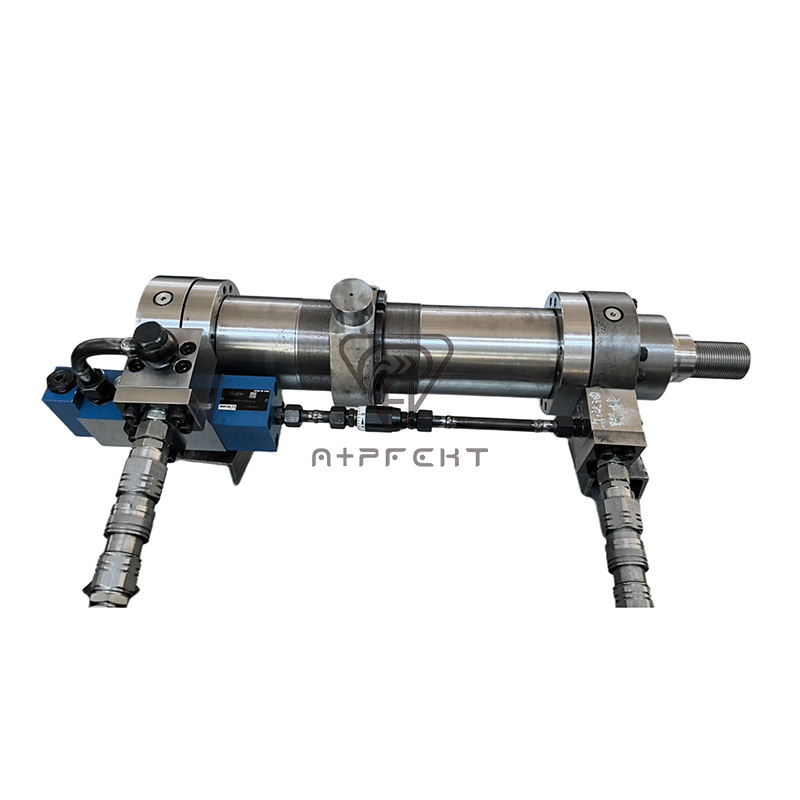
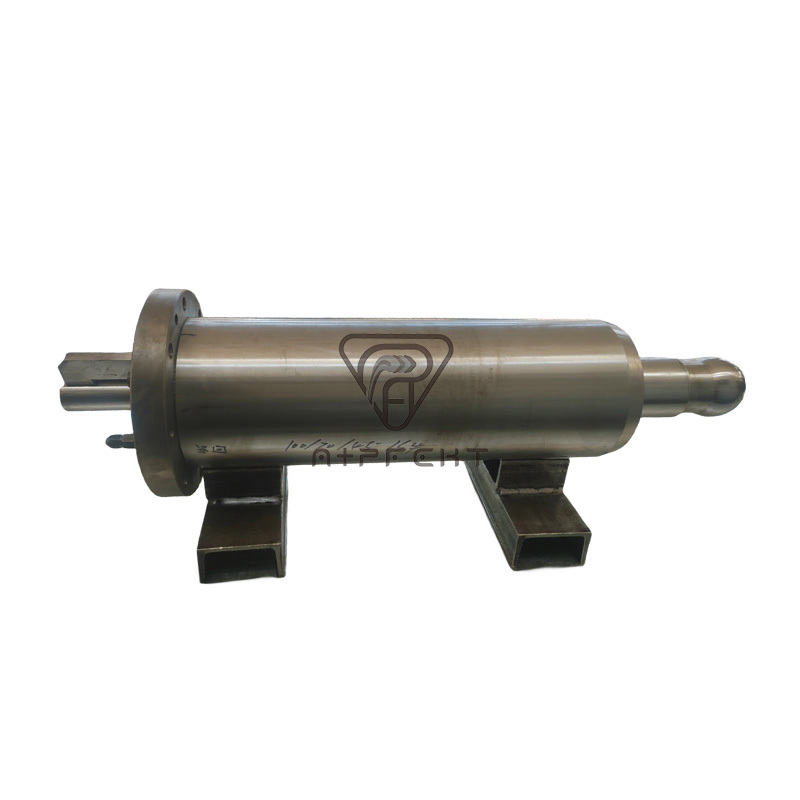
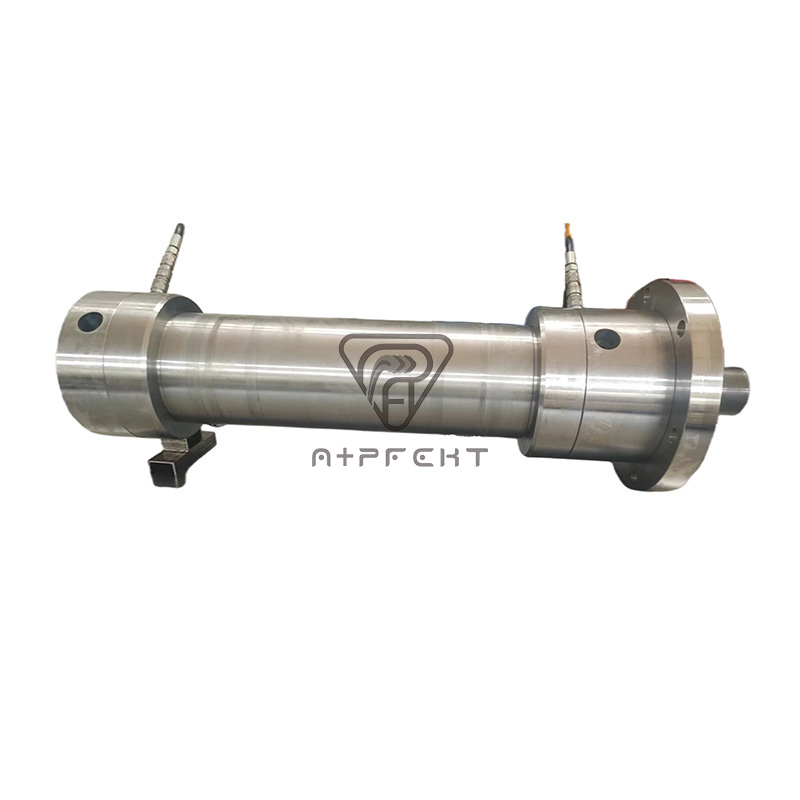
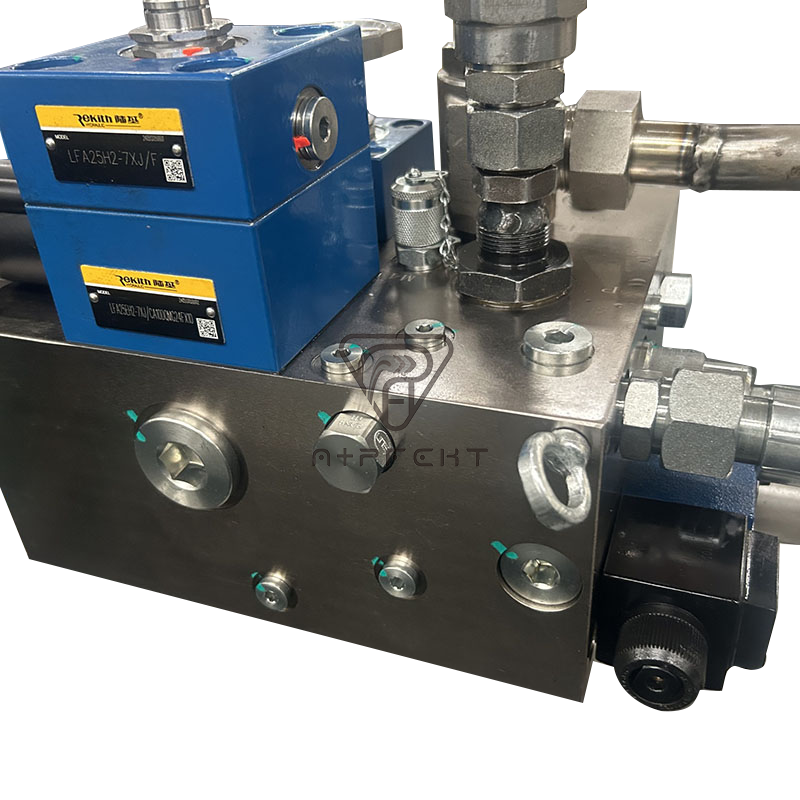
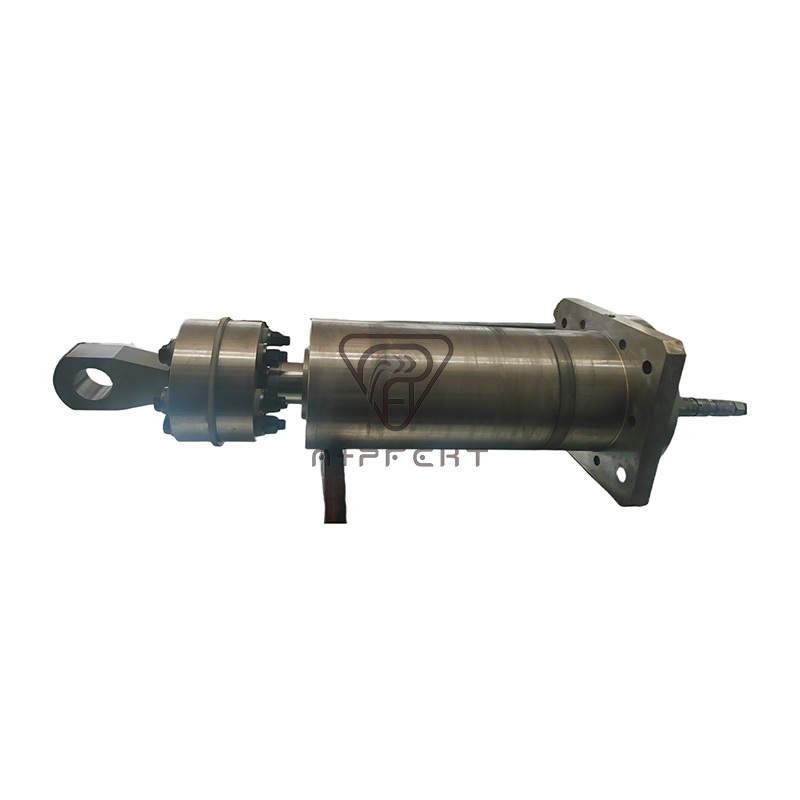
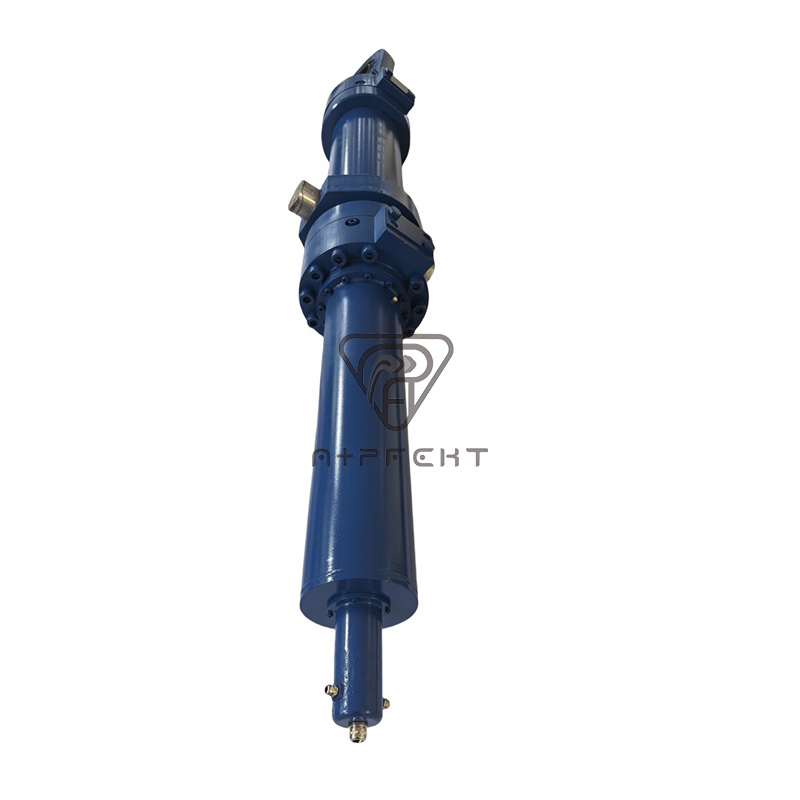
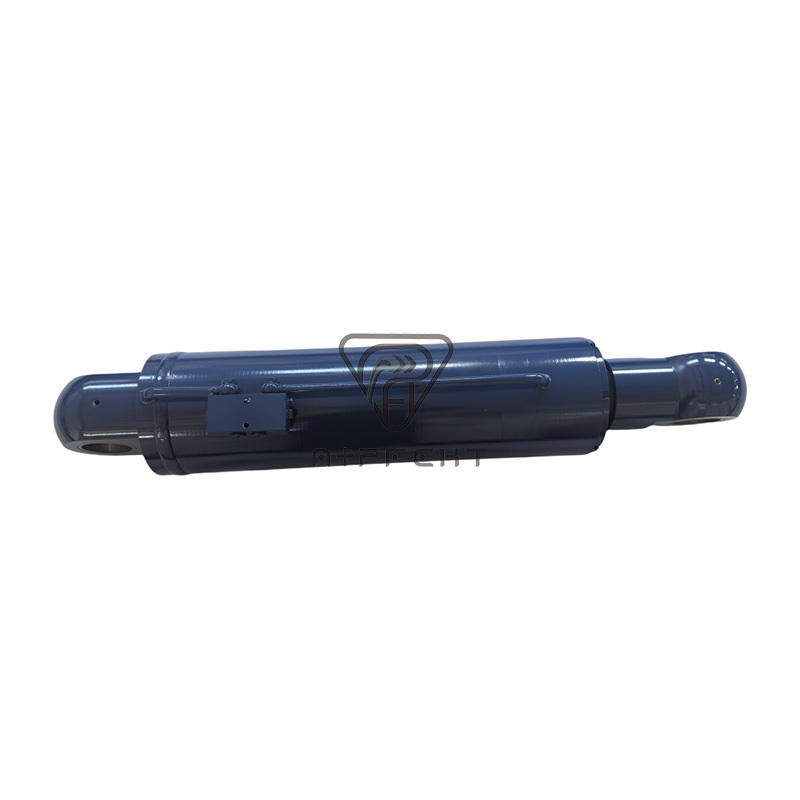
Metallurgical hydraulic cylinder are integral to a wide range of heavy-duty processes in the steel and metalworking industries, where they provide reliable linear motion and force transmission under extreme conditions. These telescopic hydraulic cylinder are extensively used in continuous casting machines to control mold oscillation, strand guiding, and billet cutting mechanisms, ensuring precise shaping and separation of molten metal. In hot and cold rolling mills, they facilitate precise positioning of rolls and apply high-pressure force to adjust thickness during metal forming. They also play a critical role in forging presses, where they generate immense pressure to shape metal ingots or blanks under high-temperature conditions. Additionally, these double acting hydraulic cylinder are deployed in blast furnace systems for taphole drilling, slag removal, and charging operations, enduring exposure to intense heat and abrasive particles. In heat treatment furnaces, they enable controlled movement of quenching systems or load-bearing fixtures, maintaining dimensional accuracy during thermal cycling. Other applications include die casting machines, where they withstand repetitive impact loads during mold clamping and ejection, as well as scrap metal processing equipment like shears and balers, where they deliver consistent force for cutting and compacting metallic waste. Designed to operate in environments with elevated temperatures, corrosive atmospheres, and mechanical shock, these cylinders ensure operational stability and safety in processes such as ladle refining, electrode positioning in electric arc furnaces, and automated handling of red-hot workpieces. Their ability to maintain performance under cyclic stress and thermal fluctuations makes them indispensable for optimizing productivity and precision in modern metallurgical operations.
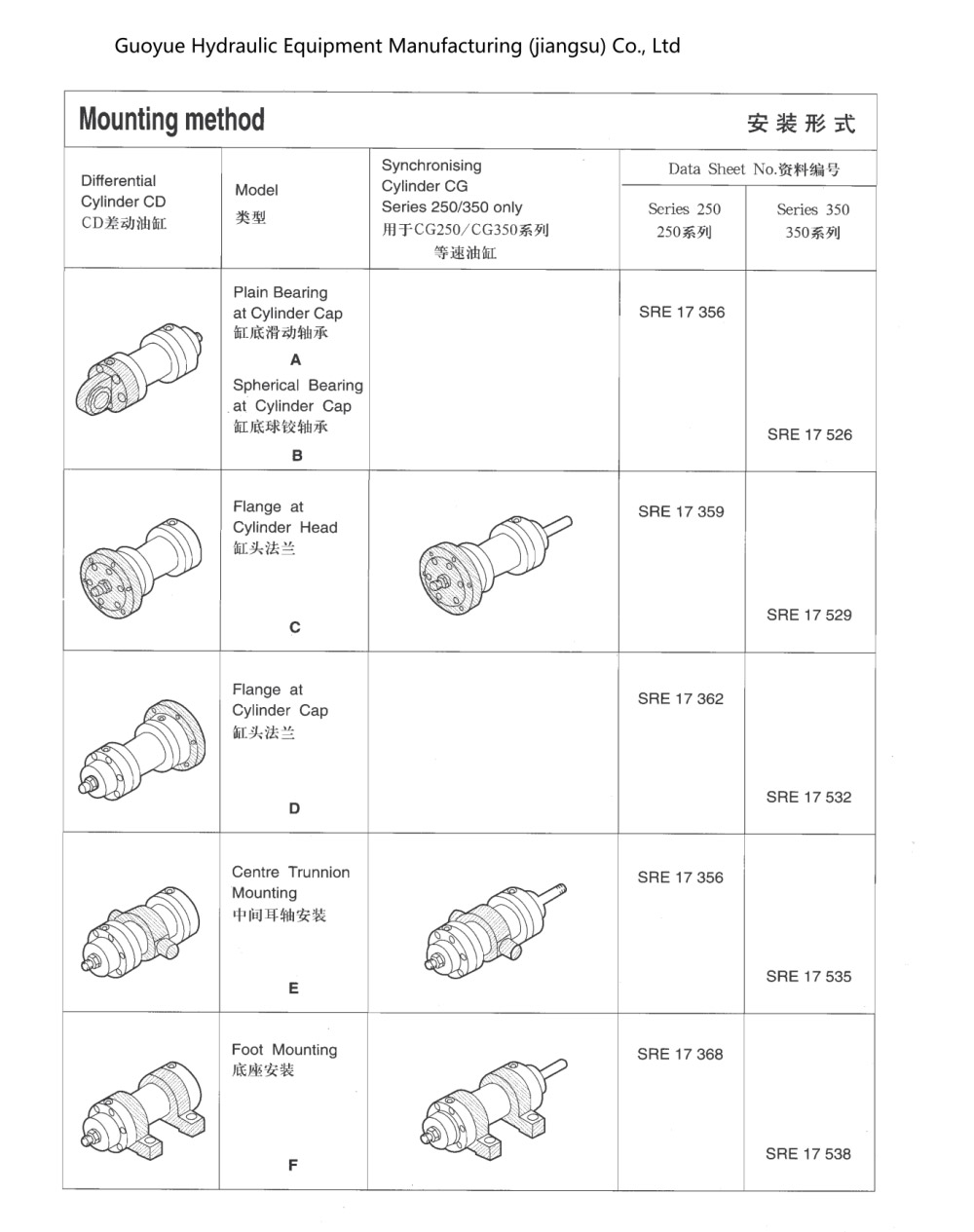
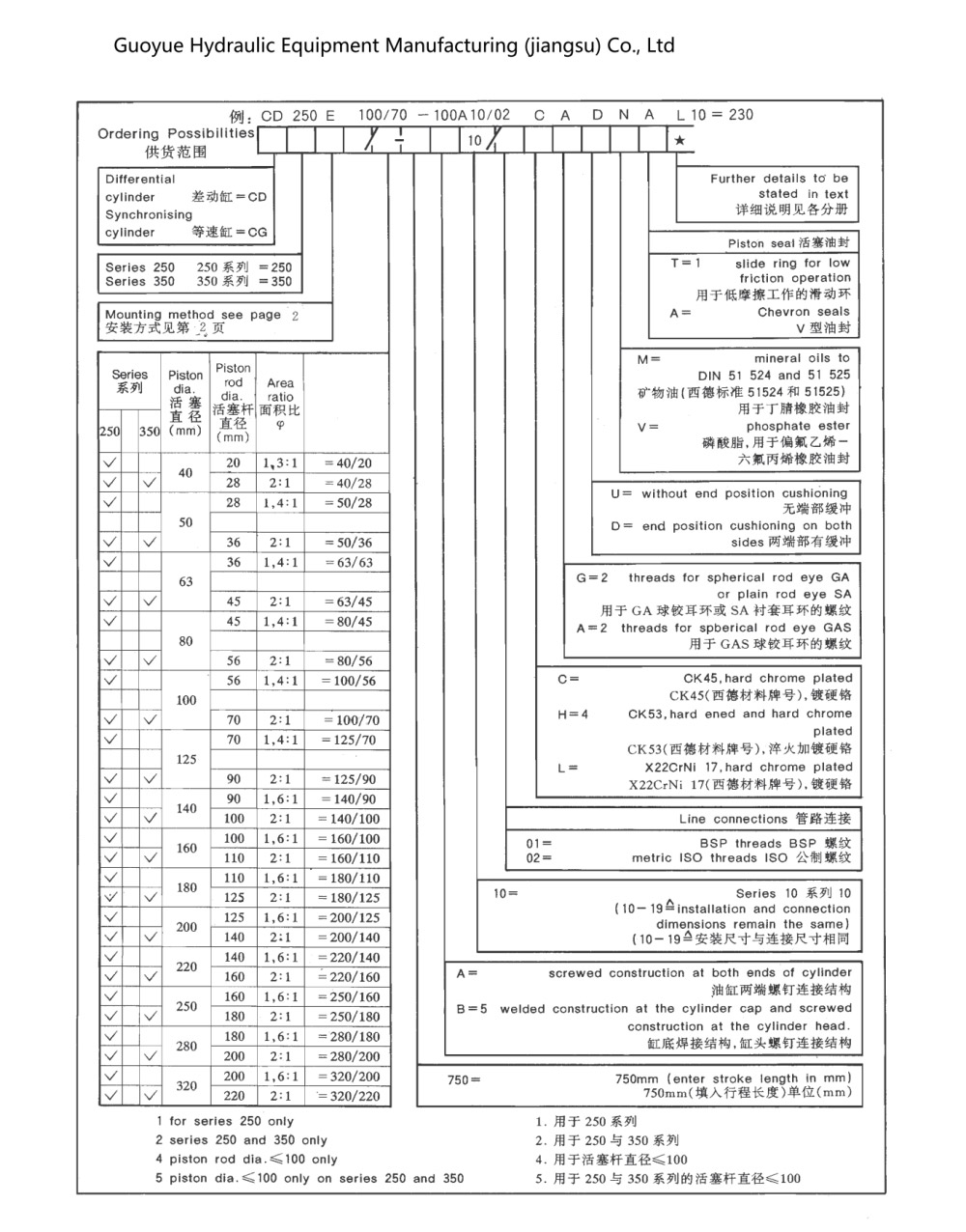
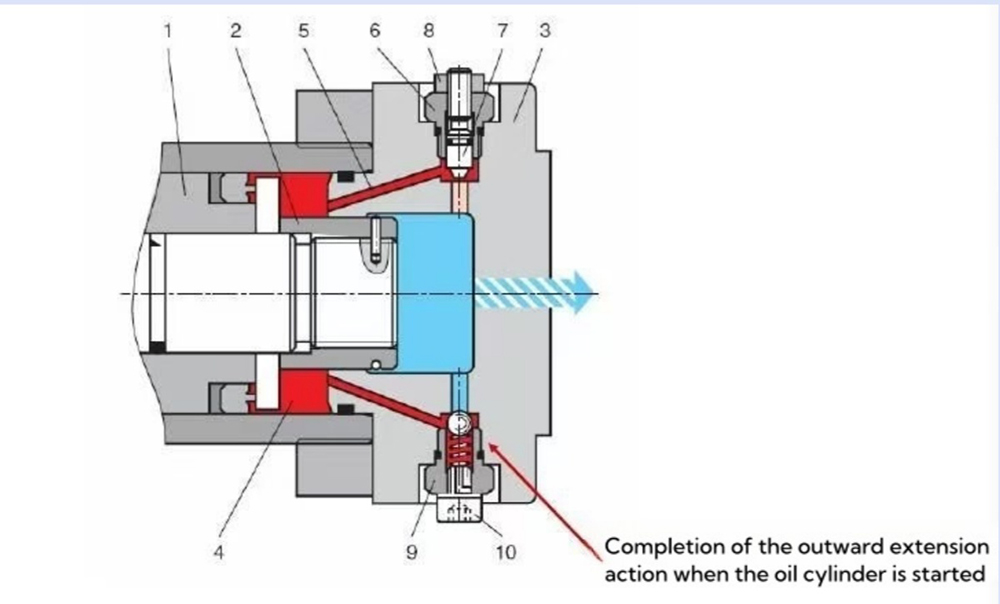




Who is NOKHYDRAULIC?
NOK Hydraulic Co., Limited, as a technology-driven enterprise we focus on the research, design, and production of hydraulic components. We specialize in hydraulic systems, cylinders, and customized non-standard parts, while continuously improving our technical expertise in hydraulic cylinders by adopting advanced European and American technologies.
Company Moments
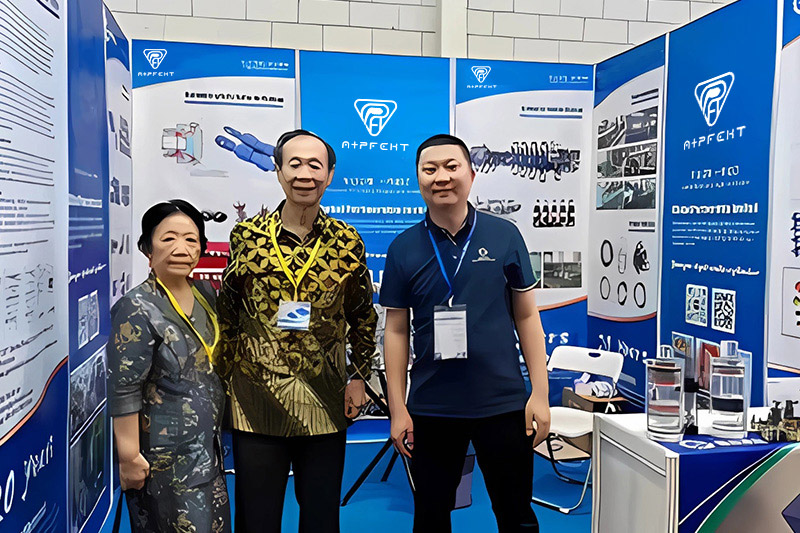
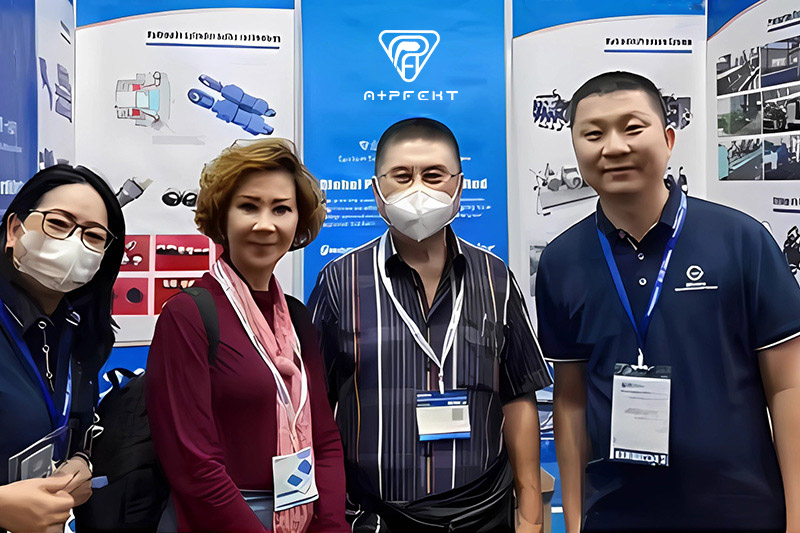
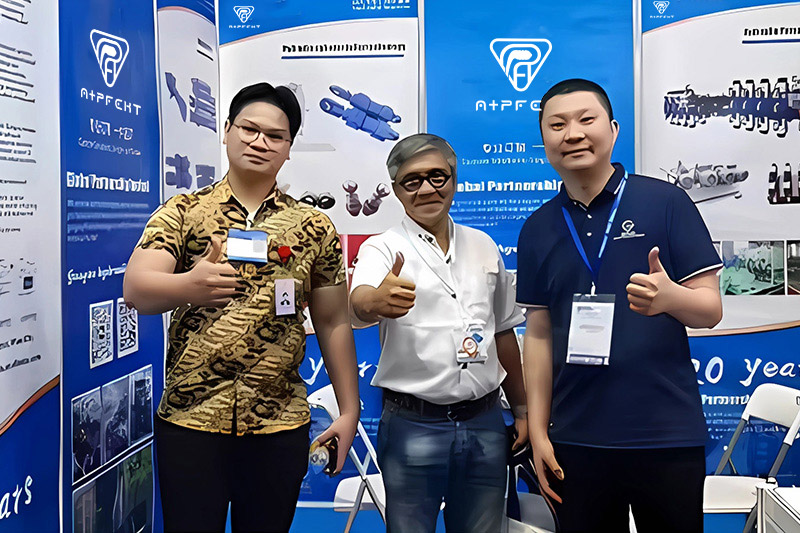
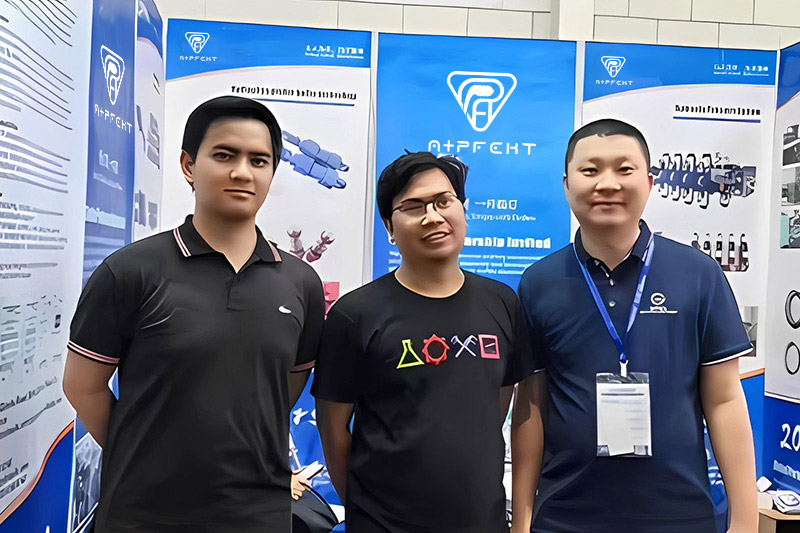
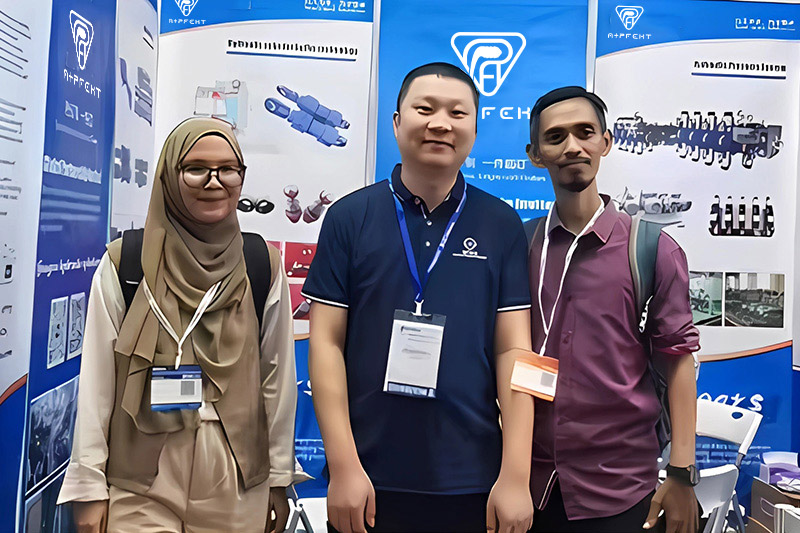
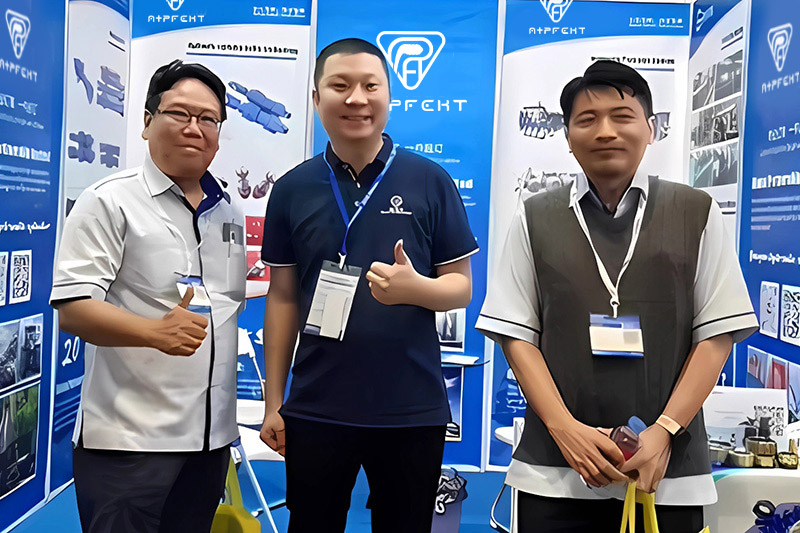
Beyond manufacturing, NOKHYDRAULIC values its people and culture. Here are some moments that reflect our teamwork, dedication, and commitment to excellence.



News Update
Follow news and information to stay informed about industry trends
Message Us Right Now!
- Contact
- Phone:
+86-13961666146, +86-15852701381
+86-13901516509, +86-17356630271
+55 11 98541-5572 - E-mail:[email protected]
[email protected]
[email protected]
[email protected]
[email protected] - ADD:
Room 806, 8/F Hang Bong Commercial Centre, 28 Shanghai Street, Yau Ma Tei, Kowloon, Hong Kong
- Products
- Hydraulic Cylinder
- Metallurgical Hydraulic Cylinder
- Single Acting Hydraulic Cylinder
- Double Acting Hydraulic Cylinder
- Telescopic Hydraulic Cylinder
- Locking Hydraulic Cylinder
- Differential Cylinder
- Heavy Duty Hydraulic Cylinder
- Electric Hydraulic Cylinder
- Clamping Hydraulic Cylinder
- High Temperature Resistant Hydraulic Cylinder
- Rotating Hydraulic Cylinder
- Get Connected
-